Hotels in Swaziland
Swaziland Provinces
- Northern Swaziland (10)
Northern Swaziland
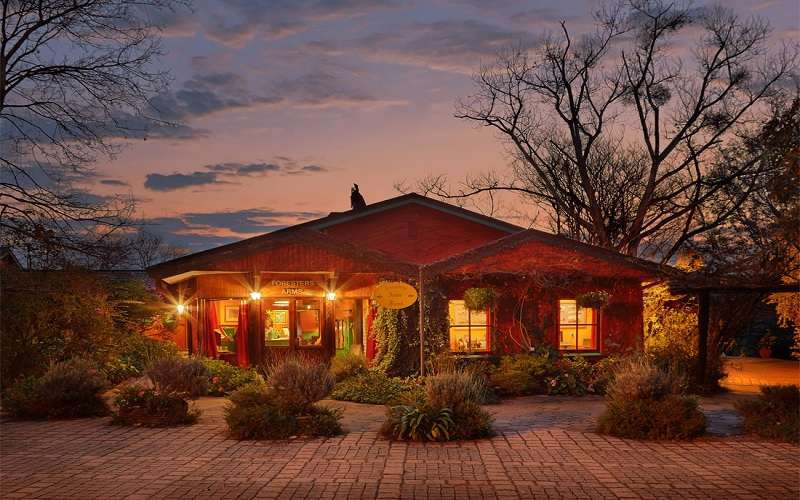
Foresters Arms Hotel
13 ReviewsForesters Arms Hotel Mbabane offers guests a tranquil country retreat from which to explore the rich culture and many attractions of Swaziland.
Set on a mountaintop estate near to
ADDRESS: Mhlambanyatsi, near Mbabane
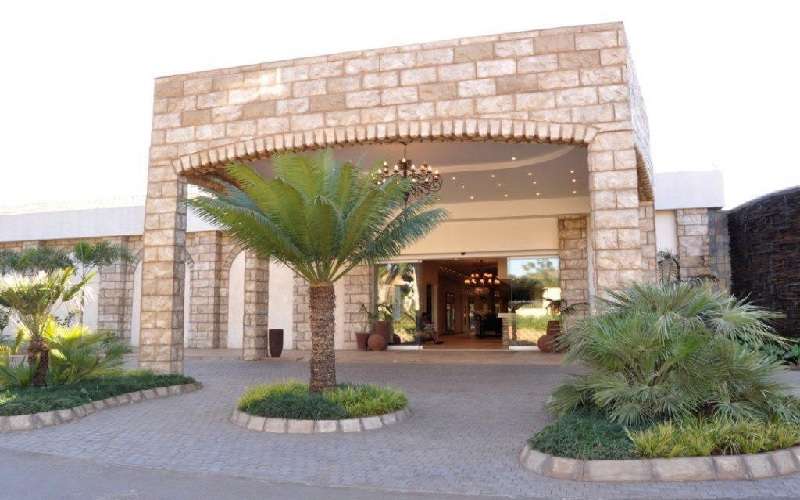
R2,860
BOOK
Happy Valley Hotel Swaziland
10 ReviewsThe Happy Valley Hotel near Mbabane in Swaziland provides comfortable and affordable accommodation.
The unique Swaziland hotel creates a Mediterranean feel with its lush gardens. The
ADDRESS: Ezulwini Valley, Swaziland
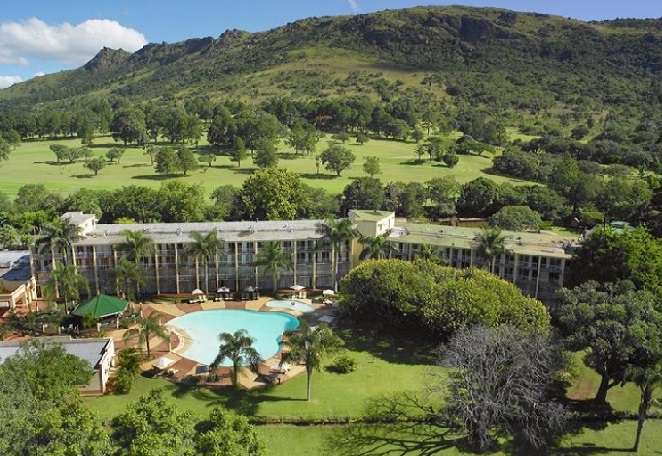
Lugogo Sun Hotel
8 ReviewsThe Lugogo Sun Hotel in Swaziland is a convenient resort that is well-equipped and offers an attractive accommodation option for families, as well as corporate travellers.
The Lugogo
ADDRESS: Main Road, Mbabane
.jpg)
R950
BOOK
Maguga Lodge
6 ReviewsThe Maguga Lodge in Piggs Peak is only a short drive away from the Kruger National Park, from Mpumalanga and Mozambique. The Maguga is in Swaziland scenic Hhohho Region on the
ADDRESS: Maguga Dam, Piggs Peak
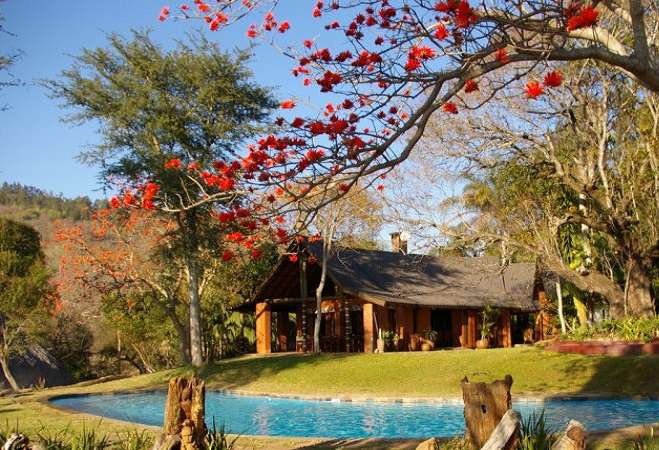
Phophonyane Falls Ecolodge
5 ReviewsThe Phophonyane Falls Ecolodge, Swaziland is a favoured destination of visitors seeking a retreat that enhances their appreciation of nature in an environment that is comfortable and welcoming.
Overlooking
ADDRESS: Piggs Peak, Phophonyane Falls Nature Reserve
Piggs Peak Hotel
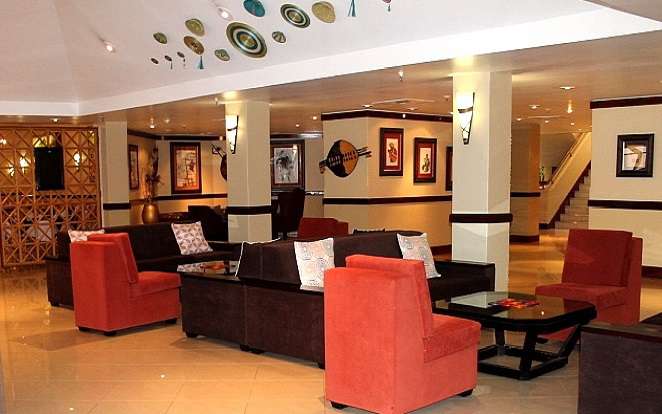
5 ReviewsThe Piggs Peak Hotel Swaziland is just 31 km from the South African border in northern Swaziland, which is an independent kingdom with a fascinating cultural history.
This 3-star
ADDRESS: King Mswati 2nd Road, Piggs Peak
Reillys Rock Hilltop Lodge
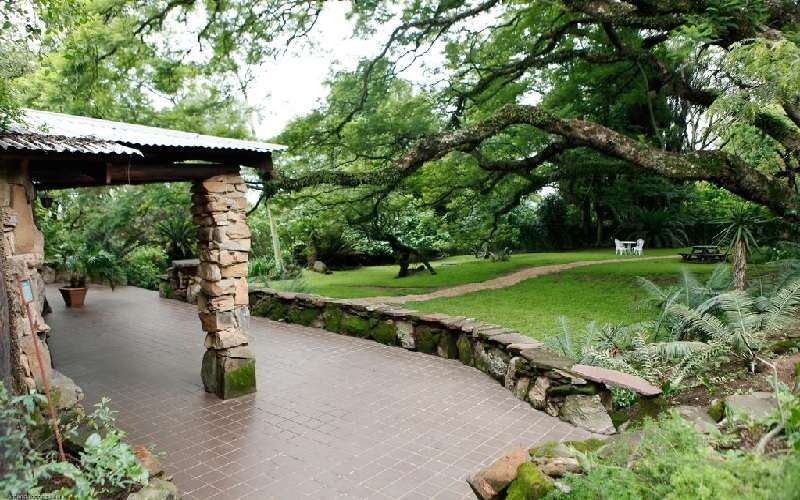
7 ReviewsThe Reilly’s Rock Hilltop Lodge in Swaziland, within the Mlilwane Wildlife Sanctuary, is a highly recommended destination for those seeking a nature-based holiday with all creature
ADDRESS: Mlilwane Wildlife Sanctuary
.jpg)
Royal Swazi Spa Resort
6 ReviewsThe 5-star Royal Swazi Spa Hotel Swaziland, there is a verdant and green gorge which is home to the hotel.
The Royal Swazi hotel Eswatini is the flagship of the Ezulwini Valley trio
ADDRESS: Ezulwini, Swaziland

R2,350
BOOK
Royal Villas Eswatini
0 ReviewsThe Royal Villas Eswatini offers award-winning accommodation, exceptional conference facilities, and outstanding dining experiences throughout the year. Located within a secure and beautifully
ADDRESS: Ezulwini, Manzini, Swaziland
.jpg)
R1,760
BOOK
Summerfield Botanical Garden & Exclusive Resort
6 ReviewsThe Summerfield Luxury Resort and Botanical Garden is a sanctuary of Elegance. It is beautifully set in the serene rolling hills of scenic Swaziland, South Africa.
Summerfield Swaziland, nature
ADDRESS: Matshpa Valley Rd, Manzini