


.jpg)



.jpg)
.jpg)
.jpg)
.jpg)

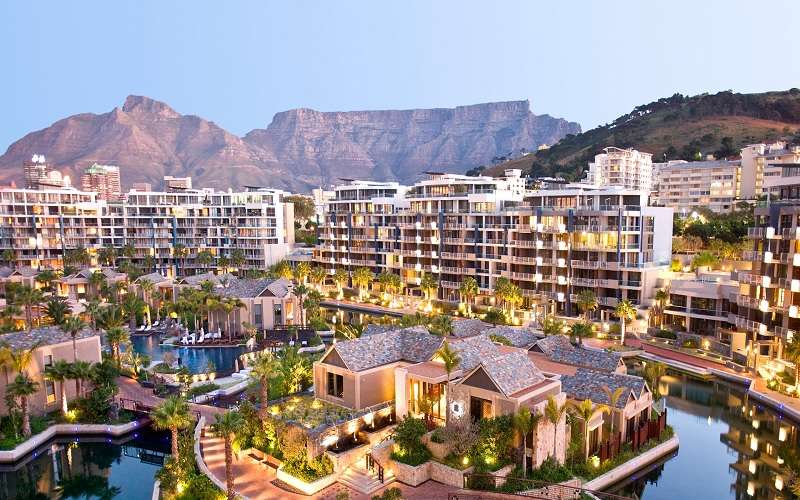
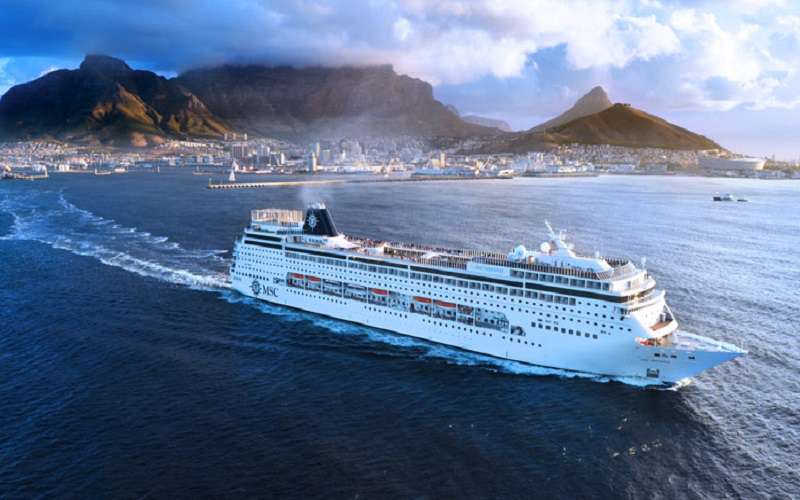
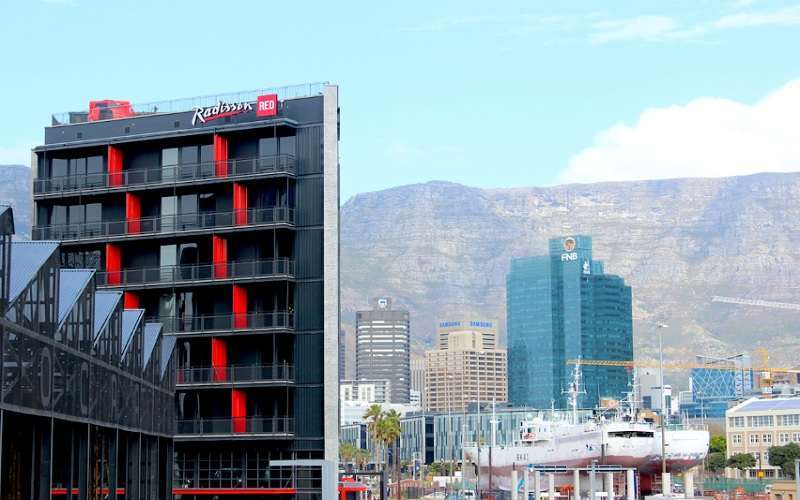
The top 45 Cape Town hotels are in locations on or near the beach with views of the sea and mountains. Your gateway to amazing hotels for decerning travelers who wish for the best in price and quality of service.
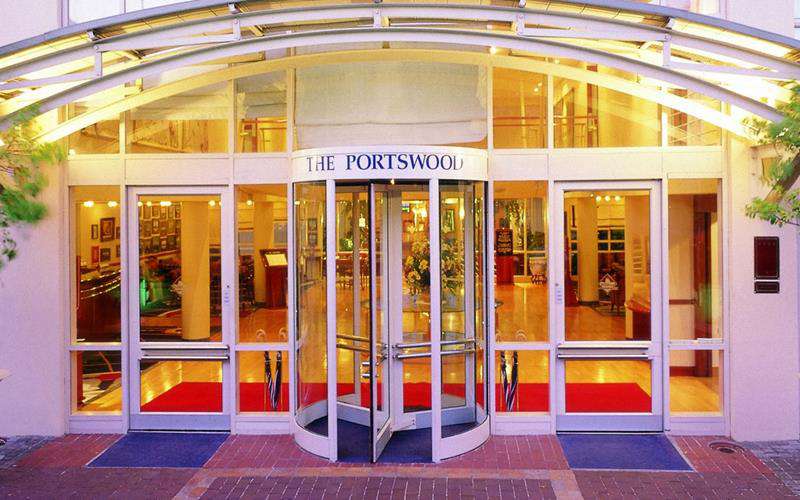
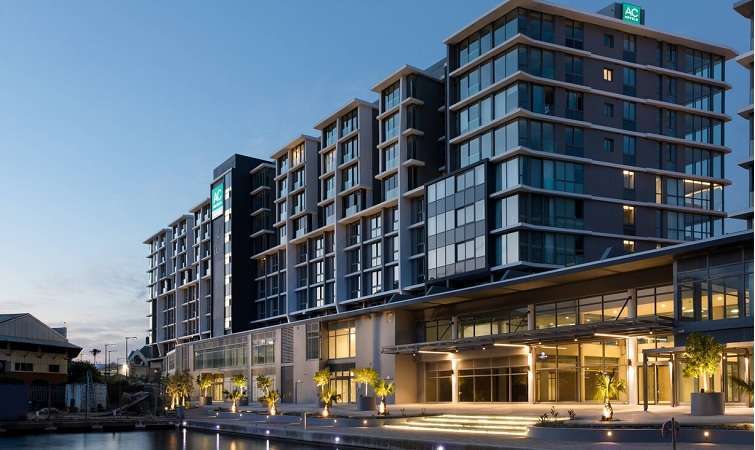
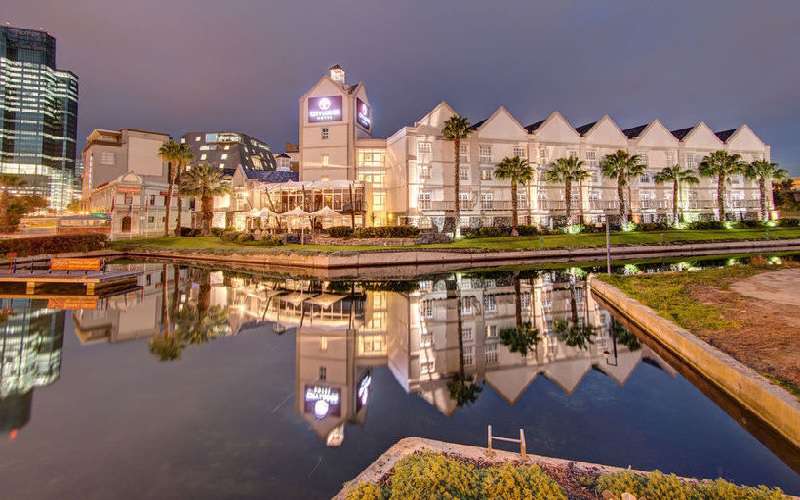
Cape Town town centers boast classical buildings many of which can still be seen in the town today. The Waterfront as the city's tourist hub has over 15 hotels, each catering to a different type of guest. Stay in self-catering accommodation at the V&A or enjoy the ultimate in luxury at the Grace, stay in understated luxury at the Portswood with fabulous views and ideal location.
The bustling waterfront is also close to many of the city's top attractions such as mountains, islands, and beaches. With the magnificent ocean surrounding the famous Peninsula, local and international visitors often seek to stay in hotels that are on the beach and the sea. The Winelands is home to exciting sightseeing places for families. The many hotels on beaches that surround the city including Camps Bay beach, the Clifton beaches, Llandudno Beach, and Hout Bay Beach invite children of all ages to build sandcastles, have a swim, and splash in the waves or even try some surfing.
Family Hotels in the city offer comfortable and spacious accommodation whereby children can share family rooms with their parents. Some also provide interleading suites and two-bedroom suites which are ideal options for guests with children who are above the age of twelve.
The city and its surrounding areas offer accommodation which is not located right on the beach with unbroken sea views. For those who wish to be in proximity to a beach and to be able to see the ocean from the comfort of a room, these sea views are ideal. Due to its elevated location on the slopes of Signal Hill, the exclusive Ellerman House offers magnificent views of the Atlantic Ocean, Robben Island, and the coastline.
There are selected hotels that offer a romantic honeymoon package for their guests. These lovely honeymoon packages are an ideal option to include specific items during their stay such as rose petal and candle turndown service in the evenings, health and beauty spa treatments, delicious gourmet dinner, and pamper picnic baskets.
Exclusive apartments offer a group of friends, a family with children, or business guests, space as well as privacy. More flexibility in regards to meal times when staying at one of these apartments in the city compared to staying in a hotel.
Many local and international guests, can expect a wide variety of different attractions during their stay. Ranging from the South African Museum and the Planetarium, thrilling hikes up Table Mountain and Lionshead, as well as an impressive ferry trip to the historic Robben Island, offers something for everyone.